Source mini fiber optic testing otdr for FTTH, FTTx, and FTTB
Compare 30 mini fiber optic testing otdr units from verified Chinese suppliers. These devices support G.652 fiber types and offer wavelengths of 1310nm and 1550nm for FTTH, FTTx, and FTTB network applications; compare the available evidence and request quotations based on your requirements.
Key considerations
Products List
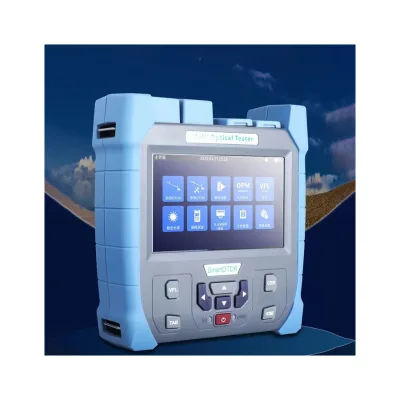
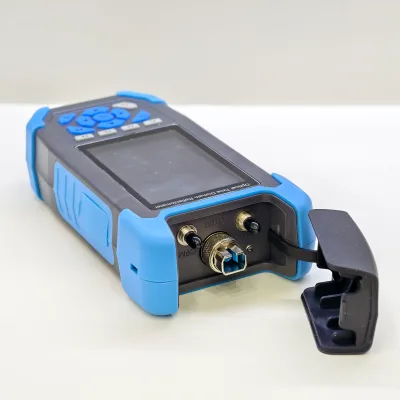


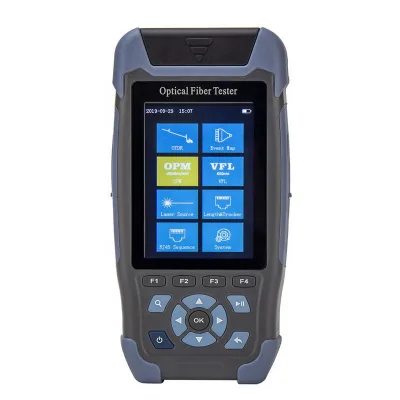
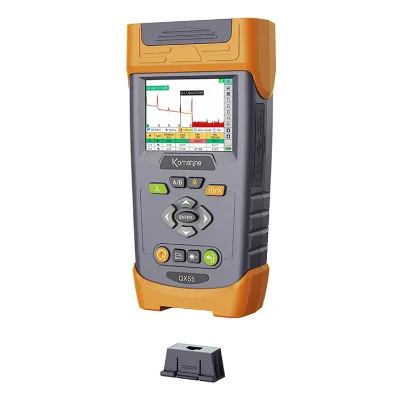
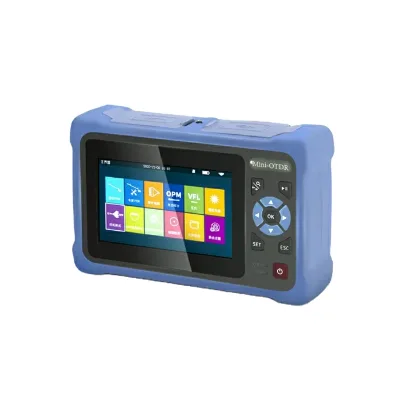
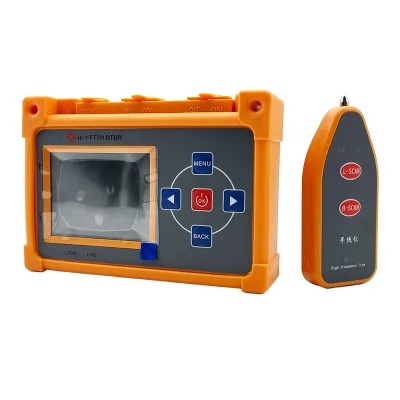
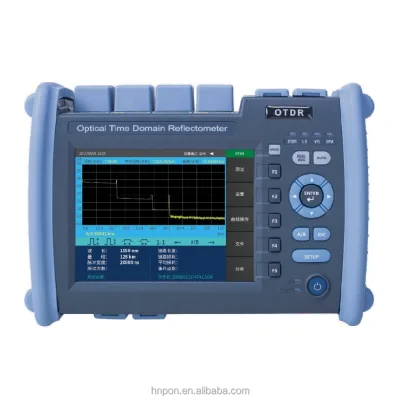
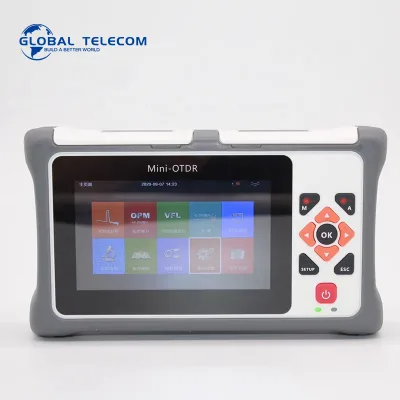


Comprehensive Sourcing Guide
Mini Fiber Optic Testing OTDR Sourcing Guide
Sourcing a mini fiber optic testing OTDR requires balancing portability with precise measurement capabilities for modern network infrastructure. Buyers must evaluate devices that support critical wavelengths such as 1310nm and 1550nm, which are standard for single-mode fiber applications like G.652. The observed market includes models with dynamic ranges around 22 to 24 dB, ensuring adequate sensitivity for long-distance spans up to 80 kilometers. This range is essential for FTTH and FTTx deployments where signal integrity is paramount.
Procurement decisions should also account for connectivity and power options, as field technicians often work in diverse environments. Devices featuring wireless LAN, wired LAN, and cellular connectivity (4G/5G) facilitate remote data transfer and real-time monitoring. Power sources vary from AC adapters to lithium batteries, offering flexibility for on-site testing. Understanding these technical nuances helps buyers select tools that align with their specific operational workflows and network complexity.
Product Scope and Observed Listing Signals
The current market for mini OTDRs displays a wide price range, typically spanning from $50 to $3,500 USD, reflecting significant variations in feature sets and build quality. Minimum order quantities (MOQ) are generally low, often starting at just one or ten pieces, which supports small-scale procurement or trial purchases. This accessibility allows network operators to acquire multiple units for different teams without committing to large inventory volumes. The low MOQ reduces financial risk for buyers testing new equipment suppliers.
Product listings frequently highlight specific model numbers such as NK5100, JW3302, and various MT-series devices, each catering to different testing needs. Some units are branded under names like Dekam, while others offer custom branding options for enterprise clients. The physical dimensions and weight, such as a gross weight of 2.000 kg for certain packages, indicate portable designs suitable for field use. Buyers should carefully review these listing signals to ensure the device meets their physical and functional requirements.
Technical Specifications to Verify
When evaluating technical specifications, buyers must prioritize the wavelength support and test range of the OTDR. Essential wavelengths include 1310nm, 1550nm, and sometimes 1610nm for maintenance windows. The test range should comfortably exceed the longest fiber span in the network, with many devices supporting up to 80km. Additionally, the ATT blind zone, which can range from 10m to 60km, is critical for accurately detecting faults near the launch point. Verifying these parameters ensures the device can resolve events without missing critical data.
Connector types and interface standards are equally important for seamless integration with existing fiber infrastructure. FC connectors are commonly specified, but buyers should confirm compatibility with their patch cords and adapters. Screen size, such as a 3.5-inch display, affects usability in low-light conditions, while software protocols like SDK, TCP, and POE determine how data is managed. Ensuring these technical details align with the buyer’s current setup prevents compatibility issues during deployment and daily operations.
Compliance and Safety Documentation
Compliance with international standards is vital for ensuring the safety and reliability of optical testing equipment. Buyers should verify that devices meet relevant IEC standards, such as IEC 14763-3, which governs fiber optic testing procedures. Although specific certification statuses may vary, ISO9001 certification indicates a manufacturer’s commitment to quality management systems. This certification provides assurance that production processes are consistent and controlled, reducing the risk of defective units reaching the end user.
Safety documentation should also cover electrical safety, especially for devices powered by AC 100-240V or lithium batteries. Buyers must ensure that the equipment complies with local electrical regulations to prevent hazards during operation. Warranty terms, ranging from one to five years, offer protection against manufacturing defects. Understanding the warranty coverage and claim process is essential for minimizing downtime and ensuring long-term support for the testing equipment.
Cost Drivers and Commercial Terms
Several factors influence the total cost of ownership for mini OTDRs, including the complexity of the measurement algorithms and the quality of the optical components. Higher dynamic range and longer test ranges typically command higher prices, reflecting the advanced engineering required. Buyers should also consider the cost of accessories, such as patch cords and adapters, which may not be included in the base price. Packaging dimensions, like 322021cm, affect shipping costs, so bulk orders may benefit from optimized logistics planning.
Commercial terms, including payment methods and delivery lead times, vary among suppliers. While specific lead times are not always disclosed, buyers should negotiate clear delivery schedules to align with project timelines. Customization options, such as branding or specific color requirements, may incur additional fees. Understanding these cost drivers helps buyers budget accurately and avoid unexpected expenses during the procurement process.
Supplier Qualification and Quality Control
Supplier qualification is a critical step in ensuring the reliability of mini OTDRs. Buyers should prioritize manufacturers with established quality control processes, often indicated by ISO9001 certification. The place of origin, such as Guangdong, China, is a common hub for optical equipment manufacturing, offering access to a robust supply chain. However, buyers must verify the supplier’s reputation and track record to ensure consistent product quality and after-sales support.
Quality control measures should include rigorous testing of each unit before shipment. Buyers should request test reports or certification documents to verify that the devices meet specified performance criteria. Additionally, inspecting the packaging and labeling for accuracy ensures that the correct models and accessories are delivered. Establishing a clear communication channel with the supplier facilitates quick resolution of any issues that may arise during the testing or installation phases.
Long-Term Procurement Checks
Long-term procurement success depends on the availability of spare parts, software updates, and technical support. Buyers should verify that the supplier offers ongoing support for firmware upgrades, which can enhance device functionality and security. The warranty period, whether one or five years, should be clearly defined, including the scope of coverage and the process for repairs or replacements. Reliable support ensures that the OTDR remains operational throughout its lifecycle, minimizing disruptions to network maintenance activities.
Regular performance checks and calibration are also essential for maintaining measurement accuracy over time. Buyers should establish a schedule for routine inspections to detect any drift in performance metrics. Additionally, staying informed about industry trends and new technologies helps buyers make informed decisions about future upgrades or replacements. By focusing on these long-term factors, buyers can maximize the value and utility of their mini OTDR investments.
FAQs
What is the warranty period for the NK5100 optical fiber tester?
The NK5100 optical fiber tester comes with a warranty period of 3 years or 5 years depending on the specific listing. This coverage ensures reliability for FTTH and FTTx network applications while protecting your investment in fiber patch cord manufacture equipment.
Which fiber type does the NK5100 tester support for testing?
The NK5100 tester supports G.652 fiber type for accurate performance evaluation. It operates at wavelengths of 1310nm and 1550nm to ensure compatibility with standard single-mode fiber networks used in FTTH and FTTB infrastructure deployments across various global regions.
Can I find mini fiber optic testing otdr units with low MOQ?
Yes, you can find units with a minimum order quantity of 10 pieces for the NK5100 model. Some listings indicate an MOQ of 1 piece, allowing flexible procurement for small-scale projects or initial testing requirements in fiber optic network maintenance.
How is the JW3302 OTDR powered during operation?
The JW3302 OTDR is powered by an AC 100-240V source for stable operation. It also features a lithium battery for portable use, ensuring continuous testing capabilities in the field without relying solely on external power connections during critical network diagnostics.
What is the test range capability of the JW3302 OTDR device?
The JW3302 OTDR device offers a test range from 5 meters to 80 kilometers. This extensive range allows for comprehensive fiber link analysis, covering short patch cords to long-haul transmission lines with a dynamic range of 24 or 22 decibels.
Which connector type is compatible with the NK5100 optical tester?
The NK5100 optical tester is compatible with FC connector types for secure fiber connections. This standard interface ensures reliable testing results in various network environments, supporting applications in FTTH and FTTx networks where robust connectivity is essential for performance.
Can the product be customized for specific color requirements?
Yes, the product color can be customized to meet specific customer requirements. This flexibility allows buyers to align the device appearance with their brand identity or operational standards while maintaining the core technical specifications required for effective fiber optic testing.
What is the origin location for these mini fiber optic testing otdr units?
These mini fiber optic testing otdr units originate from Guangdong, China. The manufacturing location ensures access to established supply chains and production capabilities, supporting the delivery of certified equipment with ISO9001 standards for quality assurance in global markets.